Introduction
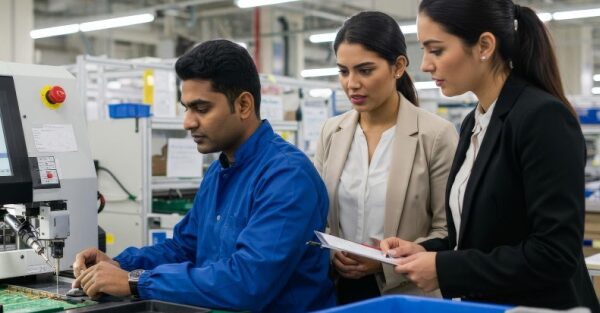
As manufacturing continues to embrace automation, digital technologies, and smart factory solutions, workforce requirements are evolving. Employers are seeking professionals who possess both technical expertise and adaptability.
Understanding these changing skill demands is essential for organisations looking to build future-ready teams.
Manufacturing Is Becoming More Technology Driven
Modern manufacturing facilities increasingly rely on:
- Automation systems
- Robotics
- Data analytics
- Industrial IoT technologies
- Digital quality management systems
- Advanced production software
As a result, traditional manufacturing roles are being enhanced by technology-focused responsibilities.
In-Demand Manufacturing Skills
Technical Competencies
Today’s employers actively seek candidates with experience in:
- CNC programming
- Robotics operation
- PLC programming
- Equipment maintenance
- Quality assurance processes
- Lean manufacturing principles
Problem-Solving Skills
Manufacturing professionals must quickly identify production issues and implement effective solutions to minimise downtime.
Adaptability
The ability to learn new technologies and adapt to evolving processes has become a valuable trait across all levels of manufacturing.
Team Collaboration
Successful manufacturing operations depend on effective communication and teamwork between production, maintenance, engineering, and management teams.
How Employers Can Stay Competitive
To attract top talent, manufacturers should:
- Offer training and upskilling opportunities
- Promote career progression pathways
- Foster a positive workplace culture
- Invest in employee development programmes
- Partner with specialised staffing providers
Conclusion
The future of manufacturing belongs to organisations that invest in skilled, adaptable employees. Building a workforce equipped for modern production environments will be a key driver of long-term success.